
02 Feb 2026
Editorial, Opinion
Why investors need to prioritise picking GMs for their hotels
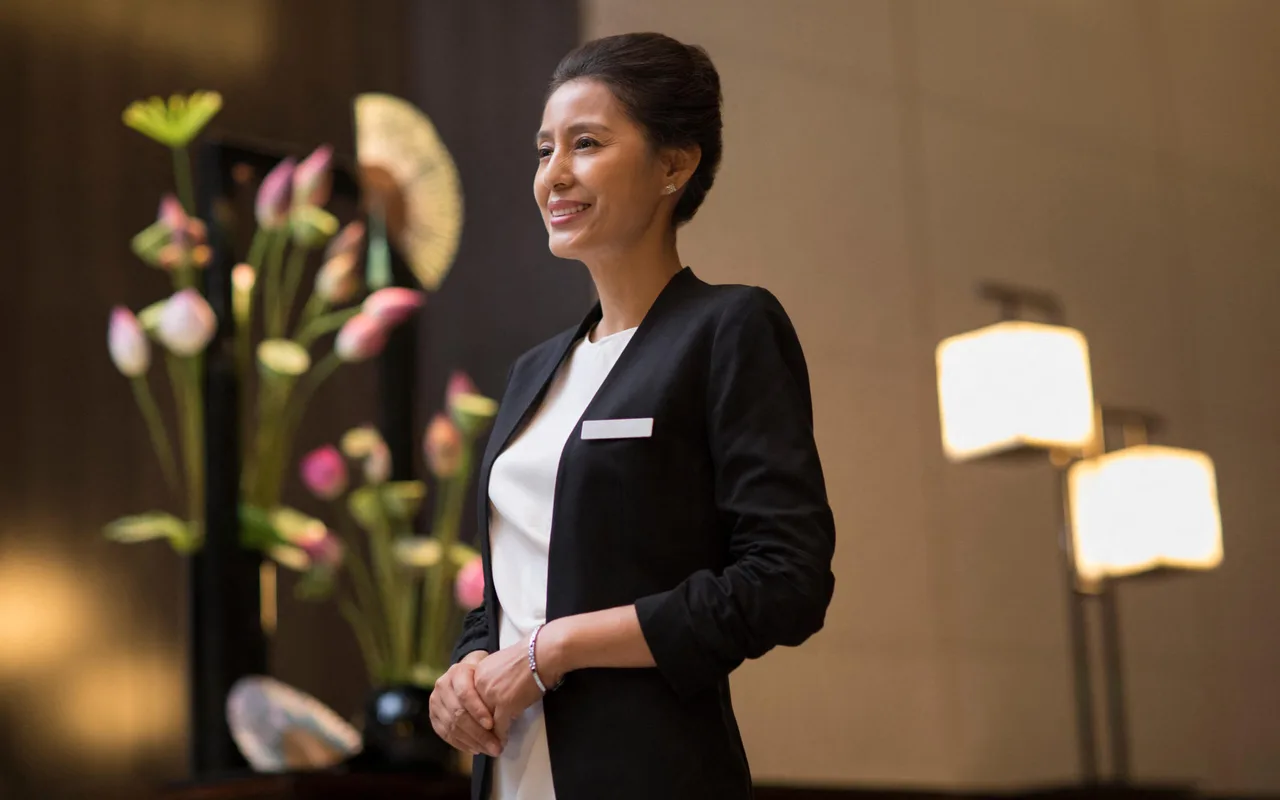
The money behind deals needs to be in the weeds of operations – particularly for trophy assets.
The general manager (GM) hire: it’s purely a handover to the operational side, right? Wrong.
Hotels are becoming subject to the same kinds of expectations that other asset classes have been subject to for years. For the trophy end of the market – where margins are tighter, reputational risk is elevated, and the fixed costs are sky high – who is at the helm is one of the most consequential decisions that investors can make.
Making it, however, needn’t become a stakeholder relations headache. With the right intention and timing, it can be the tactical move that sets you up for strategic success – while creating a sense of collective purpose.
It’s true, some operators and brands may see such involvement as interfering. The more enlightened view, however, sees collaborating on the right GM choice as a win-win for everyone – from the operator, and the brand, to ownership. It’s as much about saving time and money as it is about avoiding the headache of having to undo serious damage to a hotel’s culture, performance, and reputation in the local market.
Rigorous process
It’s a pattern we’ve seen time and time again. A trophy asset in a prime location, with a strong brand and significant investment behind it. Performance stalls, and stakeholders blame market conditions, labour shortages, or timing.
Today’s investors, however, expect GMs to answer questions more commonly asked of chief executives. There’s a good reason for that: as capital has professionalised, its view of talent has matured.
The right leadership is now seen as a primary value driver for the whole portfolio, not an operational decision made somewhere downstream. Savvy infrastructure investors are scrutinising executive appointments at this level because downside risk flows directly to capital. Even student housing investors carefully assess leadership. Why wouldn’t those fuelling the luxury hotel industry?

Being the type of GM who can sit comfortably at the crossroads of ownership, operator, and brand is a fine balance – and requires a very specific type of individual. An understanding of capital structures and hotel operations. Knowing how to protect rates rather than chase volume. Thinking in terms of long-term positioning without undermining short-term RevPAR.
It’s all about straddling comfort in the boardroom and credibility on the floor. Finding these people demands a rigorous, intentional selection process that clearly aligns with shareholder priorities. It’s not uncommon, as industries evolve and get more competitive, for leadership roles to require a broader – and yet more specialised – set of skills. The smart talent already knows this and is busy upskilling so they can stand out.
Even student housing investors carefully assess leadership. Why wouldn’t those fuelling the luxury hotel industry?
Making leadership choices in a way that requires input from everyone – owners, investors, operators, and brand – is not always an easy evolution. It can become infinitely more comfortable, however, if investors get involved early.
It also doesn’t mean they have to be involved in the selection itself. But investors can help shape the role’s requirements and priorities in a way that aligns with the rest of the portfolio. Expectations are clearer, making it easier to preserve operational independence, while safeguarding strategic interests – and, crucially, mitigating oversight in leadership decisions.
CEOs in the field
Early investor involvement in defining the GM role will influence answers to crucial strategy-defining questions – meaning everyone can hit the ground running. Questions such as: “What does this asset need right now? Stabilisation after disruption – or cultural repair?
If a sale or merger is coming down the line, should leadership reposition with capital expenditure, or take a disciplined run-up to exit approach? Do we prioritise yield, reputation, team rebuilding – or all three in sequence?
Yes, accountability is the operative word here. But conversations that are more collaborative and transparent like this are more appealing to industry leading talent. It gives them more power to show what they can really do.

Leading ownership groups already act on this logic that leadership risk equals investment risk. Operators also stand to benefit from this shift in recruitment approach. Ann Christenson, chief human resources officer for Aimbridge, the world’s largest third-party hotel operator, perfectly captured this shift in the industry when she said: “We view our GMs as our 1,500 CEOs in the field.”
It’s a shift in mindset, and one that can’t come soon enough for trophy hotels. Capital has tightened. Margins have narrowed. Labour markets remain fragile – and brand expectations remain high. In this environment, it’s people who drive outcomes. Leadership no longer supports strategy. It is the strategy.
Editorial by Christina Reti for Green Street News
Published on Green Street News – 2 February 2026



04 Jul 2026
Editorial, Opinion

Hospitality’s real question isn’t legal. It’s cultural.
A Chinese court recently ruled that a company had unlawfully dismissed an employee whose role had been automated – on…
09 Jun 2026
CDR Sports, Editorial, Sponsorships
The Wounds Nobody Can See
Not every story finds the audience it deserves, though this one did. CDR Sports brought together Noteworthy Media and Outside…
24 Feb 2026
Editorial, Sponsorships

A Passion for Seafood
CDR is proud to sponsor A Passion for Seafood founder Mike Warner, as he promotes the amazing ecosystem in our…
Reach out
"*" indicates required fields