
04 Jul 2026
Editorial, Opinion
Hospitality’s real question isn’t legal. It’s cultural.

A Chinese court recently ruled that a company had unlawfully dismissed an employee whose role had been automated – on the grounds that adopting AI was a strategic choice rather than an unforeseeable circumstance. Elsewhere on this site, the industry’s technologists are debating what that means for staffing models and operational strategy. Those are the right questions for that conversation.
They are not the question CDR put to our World Panel on Talent and Culture.
Our question was this: if the law now requires AI to work alongside people rather than instead of them, what does that demand of the leaders we develop, the cultures we build, and the way we think about human potential in our organisations?
That is a harder question than compliance, because it does not have a checklist answer. A business can satisfy the letter of a ruling like this one and still run a culture that treats people as the variable to be optimised around technology, rather than the other way around. The ruling closes off the crudest version of that instinct. It does nothing to address the subtler version – the one that lives in how leaders are developed, what behaviour gets rewarded, and what a career path looks like when the transactional half of a role has been automated away.
IKEA’s recent experience is a useful illustration of the distinction. When its customer service chatbot began resolving routine queries, the obvious move was to reduce the team. Instead, the business studied the gap the chatbot could not close and built a paid design consultation service around it, staffed by reskilled employees. That was not a compliance decision. It was a leadership decision about what freed-up human capacity was actually for.
Hospitality has that gap built into its entire business model. The transactional layer – bookings, logistics, routine queries – is exactly what AI does well. What remains is what has always defined this industry: reading a room, recovering a guest’s evening, the kind of presence and attention that stays with someone long after the stay ends. No court needed to tell us that layer matters. But the leaders who can name it clearly, build cultures that protect it, and develop people specifically for it will be the ones who turn this moment into a genuine advantage rather than a managed constraint.
That is the work our World Panel question is pointing at. Not whether AI will be permitted to augment rather than replace – the market is already answering that. But whether the leaders coming through our organisations are being shaped, deliberately and in advance, to make the most of what remains for people to do.
CDR’s World Panel on Talent and Culture continues to explore these questions with leaders across exceptional hospitality.
The original panel question can be found on HospitalityNet.
Article image: AI generated using ChatGPT.




09 Jun 2026
CDR Sports, Editorial, Sponsorships
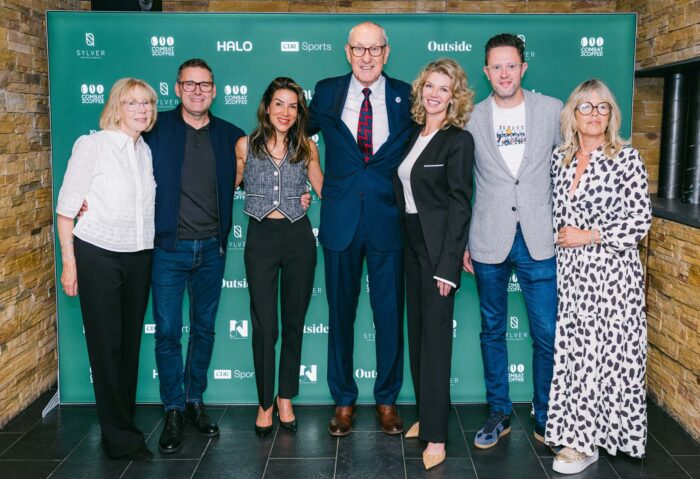
The Wounds Nobody Can See
Not every story finds the audience it deserves, though this one did. CDR Sports brought together Noteworthy Media and Outside…
24 Feb 2026
Editorial, Sponsorships
A Passion for Seafood
CDR is proud to sponsor A Passion for Seafood founder Mike Warner, as he promotes the amazing ecosystem in our…
02 Feb 2026
Editorial, Opinion
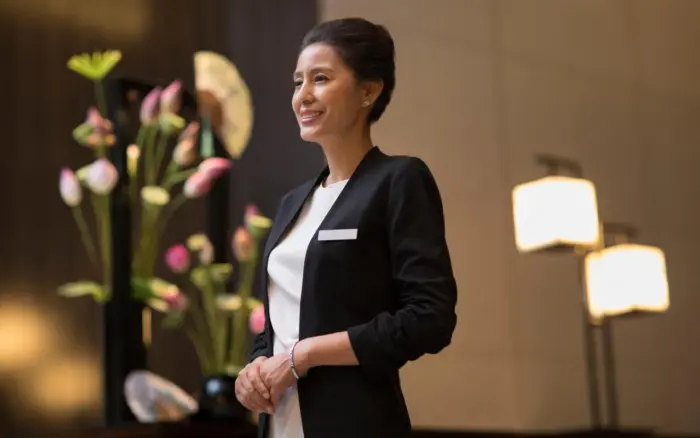
Why investors need to prioritise picking GMs for their hotels
The money behind deals needs to be in the weeds of operations – particularly for trophy assets. The general manager…
Reach out
"*" indicates required fields